Introduction
In the complex world of business, trust is often the foundation upon which successful relationships are built. When it comes to large projects or agreements, stakeholders seek assurance that their partners will fulfill their obligations. This is where performance bonds come into play. A performance bond serves as a guarantee that a contractor will complete a project according to the stipulated terms and conditions. In this article, we will explore how performance bonds foster trust in business relationships, examining their role, benefits, and implications for various stakeholders involved in contractual agreements.
What Are Performance Bonds?
Definition of Performance Bonds
Performance bonds are financial instruments provided by a third-party guarantor—usually Learn more an insurance company or bank—that ensure the completion of a project or contractual obligation. If the contracting party fails to meet their obligations, the bond can be invoked to cover the losses incurred by the other party.
Types of Performance Bonds
Contractor Performance Bonds: These are primarily used in construction contracts. Bid Bonds: Ensures that a bidder will honor their bid if awarded a contract. Maintenance Bonds: Guarantees that the contractor will address any defects after project completion.The Importance of Trust in Business Relationships
Why Trust Matters
Trust acts as a lubricant in business transactions, facilitating smoother negotiations and fostering collaboration among parties. It allows companies to enter partnerships with confidence, knowing they have recourse should issues arise.
Building Trust Through Transparency
Transparency is crucial in establishing trust. When businesses utilize performance bonds, they demonstrate their commitment to transparency and accountability.
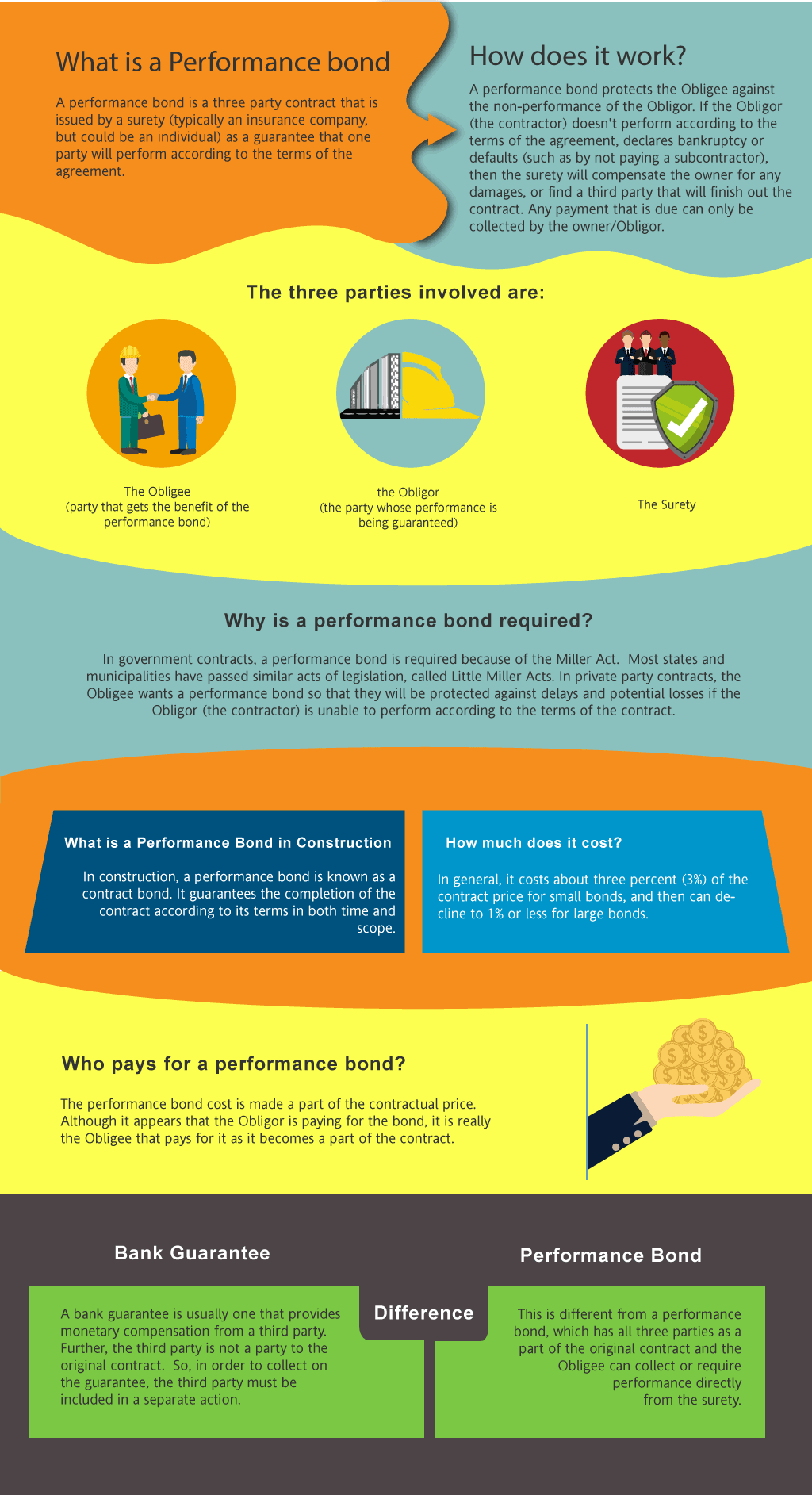
How Performance Bonds Foster Trust in Business Relationships
Assurance for All Parties Involved
When companies engage with one another using performance bonds, they provide assurance that all parties are committed to fulfilling their obligations. This reduces anxiety surrounding potential defaults or failures.
Risk Mitigation Strategies
Using performance bonds as part of risk mitigation strategies can significantly enhance trust levels between contracting parties. Both sides know they have protections in place if things go awry.
Financial Security and Stability
Performance bonds provide financial security not only for the project but also for ongoing business relationships. Knowing they have this safety net allows businesses to forge ahead more confidently.
Benefits of Using Performance Bonds in Business Transactions
Enhancing Credibility and Reputation
Companies that consistently utilize performance bonds often enjoy enhanced credibility within their industry. When clients see that a provider has secured these instruments, they perceive them as responsible and trustworthy.
Competitive Advantage
Firms that offer performance bonds can stand out from competitors who do not provide such assurances. This competitive edge can translate into more contracts and better client relationships.
Attracting Better Partnerships
With performance bonds in place, businesses can attract higher-quality partnerships since potential collaborators recognize their commitment to honoring agreements.
The Role of Insurance Companies and Banks
Who Issues Performance Bonds?
Typically, insurance companies or banks issue performance bonds after assessing the financial stability and creditworthiness of the contractor seeking coverage.
How Issuers Evaluate Risk
Issuers evaluate risk by analyzing various factors including credit history, financial statements, and previous contract performances before issuing a bond.
Case Studies: Success Stories Utilizing Performance Bonds
Construction Projects
Many construction projects have successfully utilized performance bonds to ensure timely completion while maintaining budgetary constraints. For example:
- XYZ Construction Co. completed a $5 million project on time due to strong bonding. ABC Builders avoided costly delays thanks to effective management assured by performance bonding.
Non-Construction Industries
While commonly associated with construction, many non-construction entities also benefit from performance bonding:
- An IT firm ensured its software development was delivered on time through performance bonding. A logistics company safeguarded its delivery timelines by securing bonds against delays.
Challenges Associated with Performance Bonds
Potential Misunderstandings
Parties may misinterpret what constitutes default under bond terms; hence clear definitions should always be included in contracts.
Costs Involved
The costs associated with obtaining performance bonds can deter some contractors from pursuing them; however, these costs often pale compared to risks mitigated by having one in place.
Future Trends in Performance Bonding
Technological Innovations
The rise of blockchain technology presents opportunities for innovation within the realm of performance bonding processes—potentially streamlining verification procedures Swiftbonds significantly!
Changing Regulations
Regulatory changes may impact how performance bonds operate; businesses must stay informed about evolving legislation affecting compliance requirements!
Frequently Asked Questions (FAQs)
What is a performance bond?- A performance bond is a financial guarantee ensuring that a contractor completes work according to contract terms.
- Contractors working on large-scale projects typically need them to assure clients of work completion.
- You’ll need to apply through an issuer—usually banks or insurance companies—and present necessary documentation.
- If your business defaults on obligations covered by the bond, the issuer compensates affected parties up to the bond amount.
- Yes! There are several types including contractor performance bonds and maintenance bonds tailored for specific projects.
- Often yes! Terms can sometimes be negotiated based on your business’s credibility or relationship with the issuer.
Conclusion
In conclusion, performance bonds play an essential role in fostering trust within business relationships across various sectors—from construction projects to service industries alike! By providing guarantees that commitments will be honored—even when unexpected challenges arise—they serve as invaluable tools for enhancing credibility while minimizing risk exposure! As businesses continue navigating an increasingly competitive landscape marked by uncertainty—integrating performance bonding strategies into operational frameworks becomes imperative! Not only does this practice bolster stakeholder confidence but it also paves pathways toward fruitful collaborations built on mutual respect & reliability!